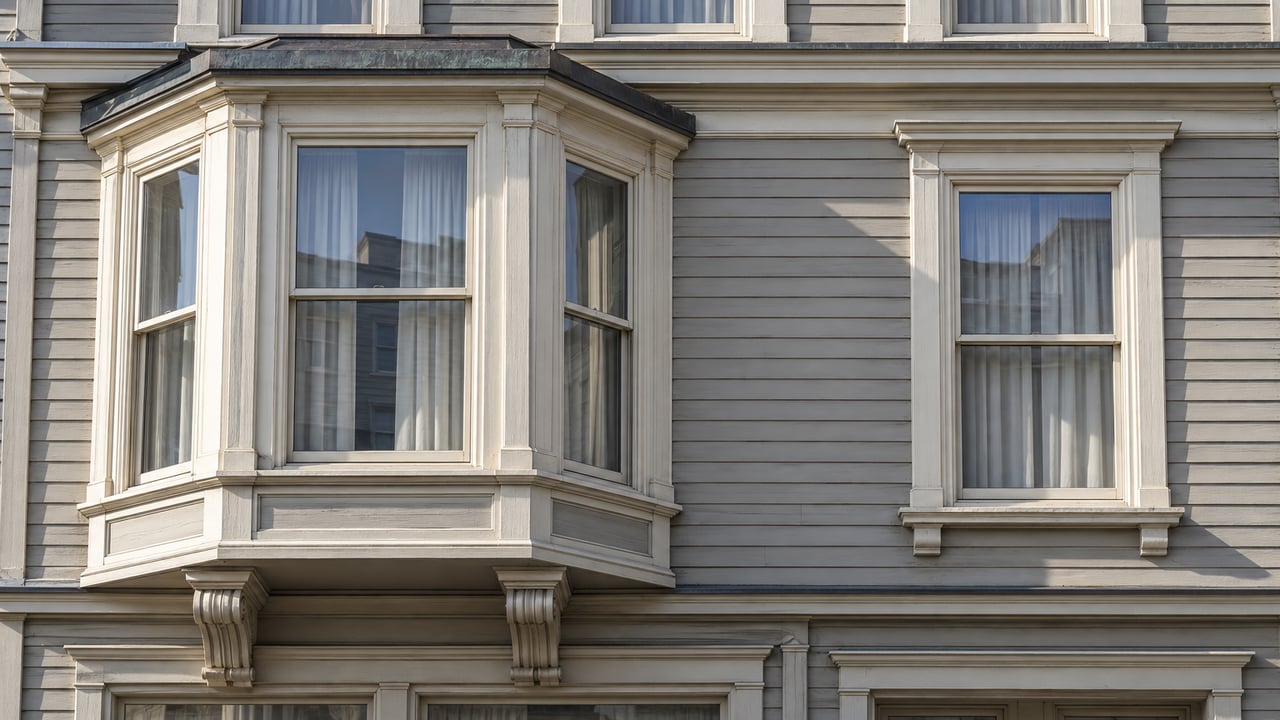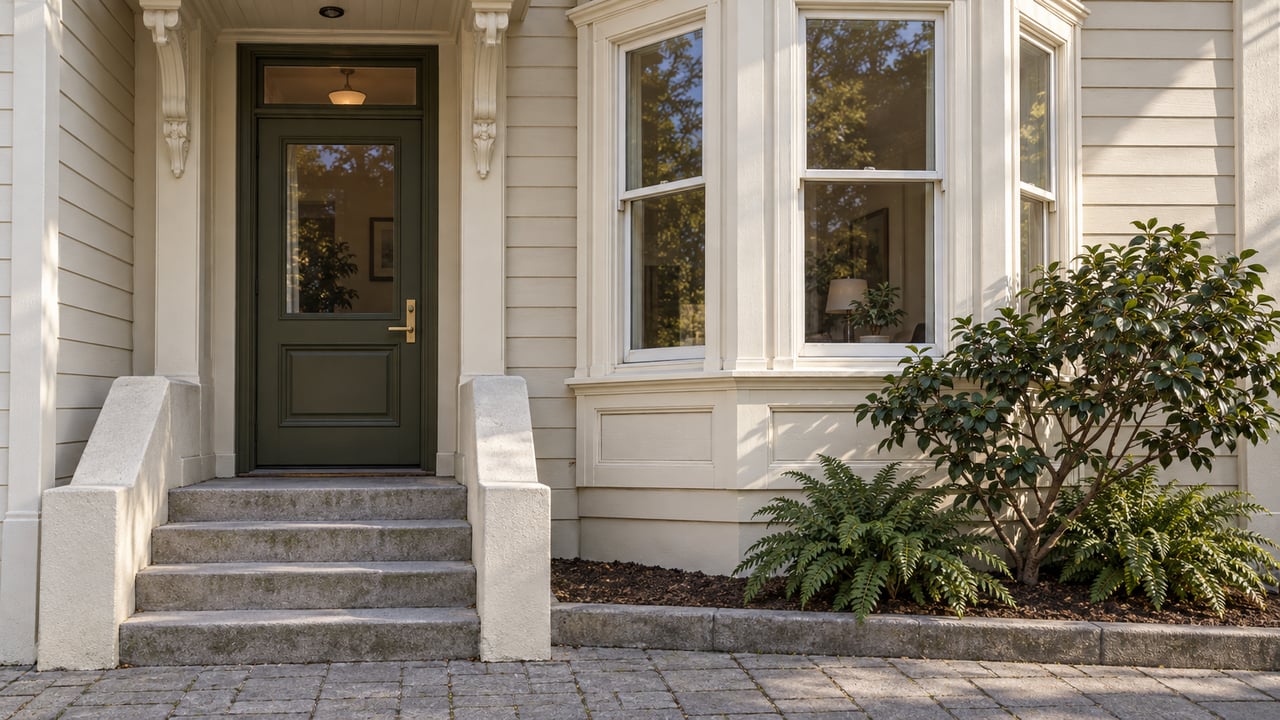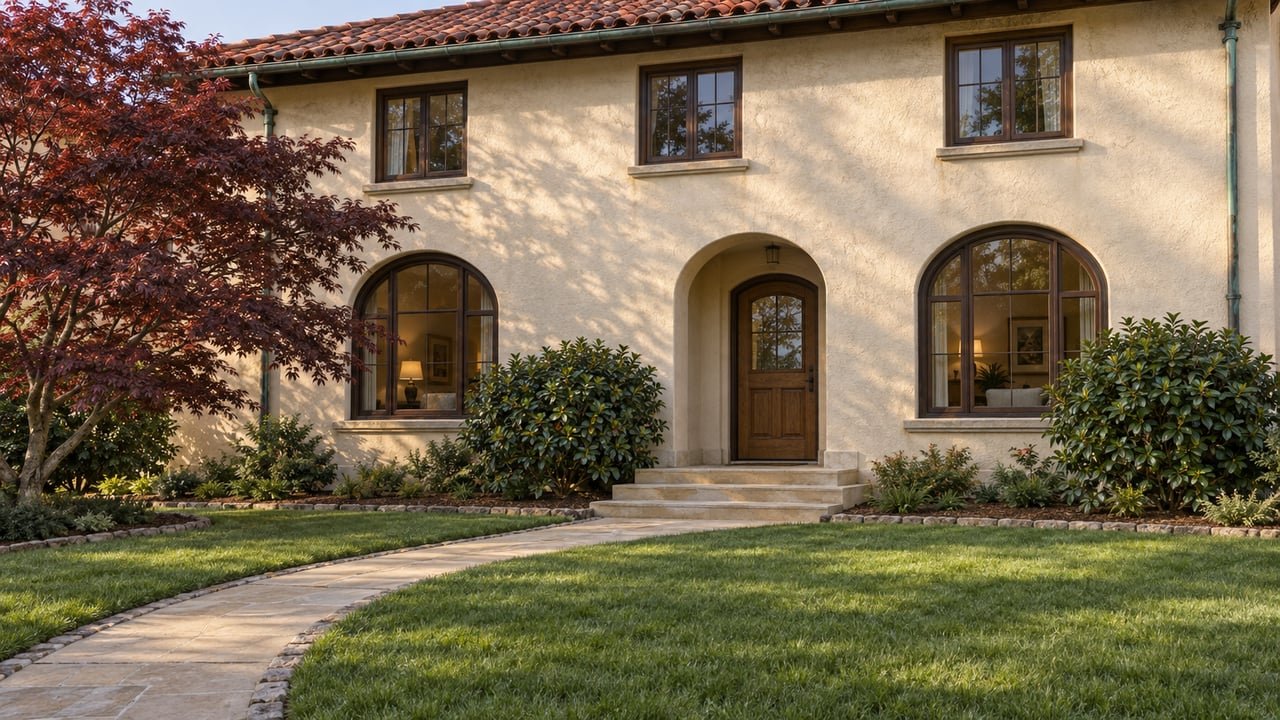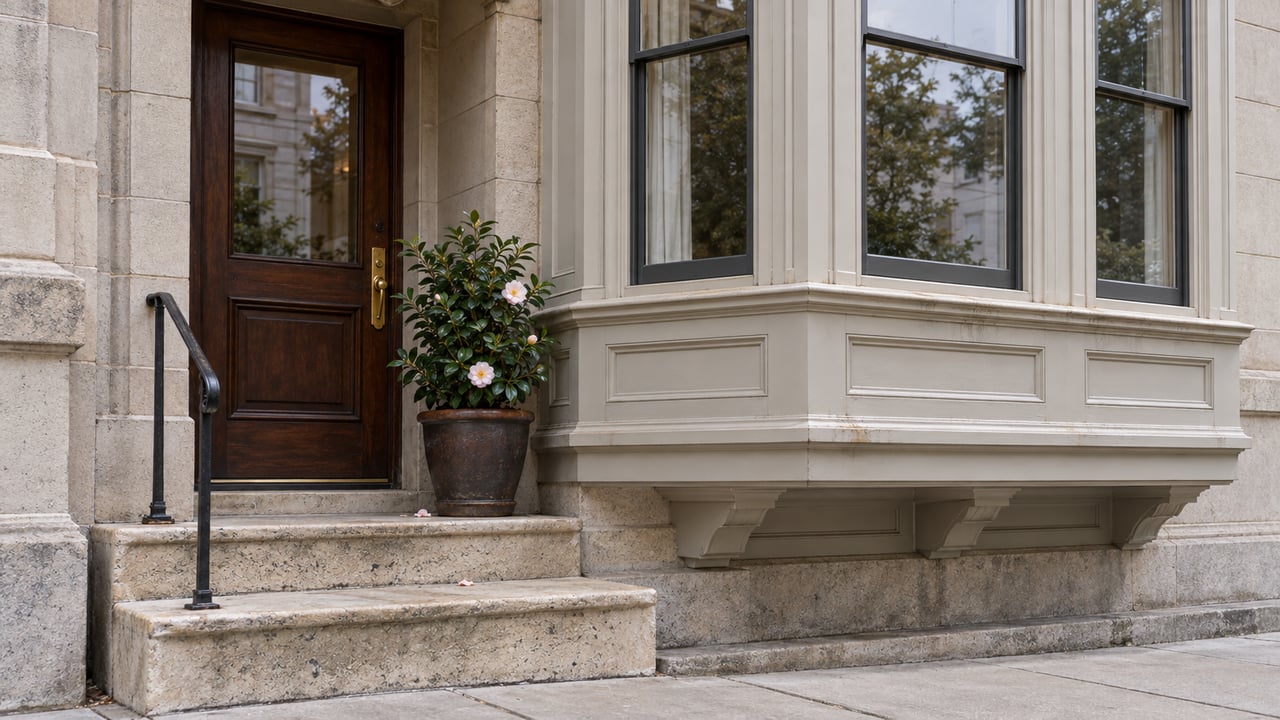
A buyer who has been watching Glen Park on the portals this summer keeps seeing the same thing. A median around $2.2 to $2.3 million. Homes closing in under two weeks. Sale prices well above list. Then a search that returns almost nothing to tour. The portal explanation is that Glen Park is "competitive." The neighborhood explanation is more specific, and it changes how a serious buyer should write an offer.
As of the end of June 2026, the Glen Park Association's recap counted only three active listings in the neighborhood, two of which were multi-unit properties. The 12-month rolling median sale price sat at $2,275,000, with properties closing about 20% over asking and median price per square foot topping $1,400 once condos were pulled out of the mix.
The thesis of this post is simple. Glen Park's pricing is not a demand story. It is a supply structure, and once you see the structure, the offer strategy writes itself.
The number the portals don't show
Median price is a lagging summary. In Glen Park, the number that actually explains the market is active inventory, and it has been sitting near single digits for months. When District 5 of the San Francisco MLS reported roughly 0.7 months of single-family supply in March 2026, against 1.8 months citywide, the tightness was already visible at the district level. Glen Park's slice of that district runs tighter still.
For comparison, Noe Valley's 12-month rolling median house price through early 2026 was about $2,750,000 at roughly $1,369 per square foot, drawn from Compass market data. Glen Park's per-square-foot number for detached houses is now in the same tier at over $1,400. The two neighborhoods have converged on price. They have not converged on inventory. Noe Valley regularly posts double-digit closings in a two-week window. Glen Park posts three or four.
That gap between price and available stock is the mechanism worth understanding.
Why the supply is locked
Three forces sit under the low inventory count, and they compound.
The neighborhood is built out. The San Francisco General Plan's Glen Park element describes the neighborhood as largely built out with only a limited number of sites remaining for future development in the commercial core, specifically the parcels at the northwest corner of Diamond and Bosworth and the BART parking lot. Residentially, there is almost nothing left to subdivide. The canyon is protected open space. The hillsides are already built. What exists is what exists.
Long-hold ownership is the norm. A parcel-level look at Glen Park counts more than 1,197 residential parcels held for over ten years, with 736 held for two decades or more. That tenure profile is common in San Francisco but especially concentrated here, where families have historically settled in and stayed. Every long-hold parcel is a home that is not on the market this year, and probably not next year either.
The village fabric is now formally in play. A landmark designation ordinance was introduced this summer for the Tietz-Beneke House at 657 Chenery Street, on the south side of Chenery between Diamond and Carrie, in the heart of the commercial and residential core. The CitySmart newsletter tracking the ordinance notes it was assigned to the Board of Supervisors' Land Use and Transportation Committee under the 30-day rule with a July 9, 2026 deadline to act. Whether the ordinance passes or not, the mere introduction is a signal about how tightly the village's built fabric is being managed going forward.
Add the three together and you get a market where new supply does not casually appear, and where any single well-prepared listing draws the entire on-deck buyer pool.
What the village and BART actually price in
Buyers new to Glen Park often ask what justifies parity with Noe Valley on a per-square-foot basis when the neighborhood is smaller and quieter. The honest answer is two amenities that neighbors two blocks away do not share.
The first is Glen Park BART, sitting on the corner of Diamond and Bosworth with 55 parking spaces, a five-hour parking limit, BikeLink lockers, restrooms, and a BayWheels station on the upper plaza. It is the only BART station embedded inside a residential neighborhood on the west side of the city's south end. BART's system-wide schedule change on August 10, 2026, which brings longer trains and reductions in delays and crowding, tightens that value further for any household with a downtown office day. This is the single feature nearby Noe Valley cannot replicate.
The second is the village itself. Two blocks of Diamond and Chenery hold a functioning small-town retail mix in a city that has lost most of them. sf.gov's neighborhood guide names the anchors that a resident actually uses in a week: Canyon Market at 2815 Diamond for groceries and prepared foods, Glen Park Café at 2798 Diamond for breakfast, Cheese Boutique for cut-to-order cheese and Lebanese specialties, Gialina for pizza, One Waan for Thai, Critter Fritters for pet supplies at 670 Chenery, and Bird & Beckett Books & Records at 653 Chenery, which programs roughly 300 concerts and literary events a year out of a bookshop. Newer additions include CUPPA at 2810 Diamond and Goose & Co. Grooming, which opened at 667 Chenery on May 15, 2026. Le P'tit Laurent and Manzoni round out the sit-down dinner side.
None of this is decorative. When a house lists a block from that village core and a five-minute walk from a working BART station, the buyer pool broadens to include downtown commuters, canyon-oriented families, and people leaving denser neighborhoods for a two-street walkable core. Three separate demand profiles compete for the same three listings.
What the mechanic means for an offer
For buyers, the takeaway is not "bid higher." It is "bid earlier, with fewer conditions, on the correct property." A few practical implications follow from the data.
| Signal | Glen Park, mid-2026 | Implication for buyers |
|---|---|---|
| Active listings | ~3 in June 2026 | Expect a compressed offer window, sometimes 7 to 10 days from listing |
| Sale-to-list ratio | ~120% over asking | Assume the list price is a floor, not a target |
| PPSF, detached houses | $1,400+ | Comparable to Noe Valley; do not underwrite a "value" thesis |
| District 5 SFH supply | 0.7 months (March 2026) | Waiting for a wider set of comps means missing the window |
| 30-year fixed rate | 6.48% on June 4, 2026 (Freddie Mac) | Financing cost is real; competing offers are still stretching |
Two friction points show up repeatedly in transactions here. First, condition premiums are large and non-linear. Turnkey homes attract the full buyer pool, while cosmetically dated homes at similar square footage can sit for a full extra week and clear closer to list. That gap is where a patient buyer can actually save money. Second, hillside and canyon-adjacent parcels carry parcel-level considerations, from soft-story exposure on older flats to the Fairmount slope's soil variability, that a district-average price does not capture. A pre-offer contractor walk-through is worth its cost.
A short FAQ
Is Glen Park more affordable than Noe Valley? Not on a per-square-foot basis for detached houses in 2026. The two neighborhoods have converged around $1,370 to $1,400 per square foot. What differs is total ticket size, because Glen Park's housing stock skews slightly smaller.
What is a realistic timeline from touring to offer? For a well-prepared listing this summer, plan on making a decision within a week of the first open house. Sellers are generally reviewing offers on a set date rather than accepting rolling bids.
Does the BART parking lot redevelopment change anything? It is one of two commercial-core sites the General Plan flags as available for future development, and it is on the community's radar, but there is no active project. Any change would be years out and subject to the same village-scale review the Chenery landmark process reflects.
What about condos versus houses? Excluding condos from the median lifts the per-square-foot number by about $100. The condo segment is small and clears closer to list, which is where a first-time buyer with a $1.2 to $1.6 million budget still has a realistic entry point into the neighborhood.
Glen Park does not reward buyers who wait for a wider set of comps. It rewards buyers who understand that three active listings is the market, not a temporary shortage, and who write their offer accordingly.
If you are weighing Glen Park against Noe Valley, Bernal Heights, or a condo entry closer to the village, the Denis Lancerin Group can walk you through the specific parcels, block-by-block comps, and offer structures that fit this supply picture. Let's Work Together.